
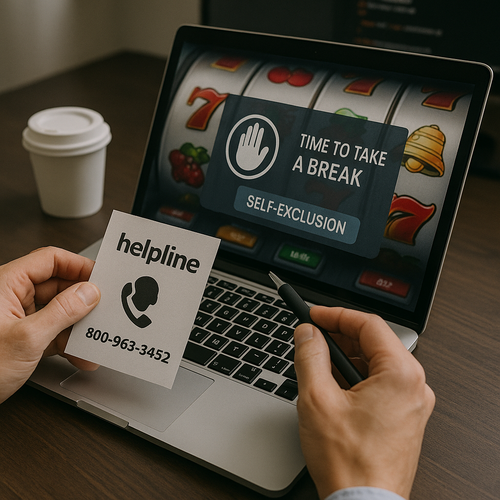
Online casinos are entertainment, not a way to make money. That is why modern platforms are introducing the principles of responsible play, offering players tools for self-control, limiting time and money, as well as the function of complete self-exclusion. This is not only ethics, but also a requirement of most licensing authorities.
What is responsible play
Responsible Gambling is a collection of measures and functions that allow players to:- Consciously control your game actions
- Limit time spent in the casino
- Place limits on deposits, losses and bets
- Suspend or completely block account access
Self-monitoring tools
| Function | Appointment |
|---|---|
| Time limit | Limited playing time per session or day |
| Deposit/rate limit | Maximum amount per period |
| Loss limit | Protection against overplay and uncontrolled losses |
| Self-exclusion | Full blocking of access for a specified period or forever |
| Break (cool-off) | Temporary pause: 24 hours to 1 month |
How it is implemented
Setting limits - in the player's profile, without support intervention
Limit changes do not take effect immediately (for example, after 24 hours)
Behavior monitoring algorithms identify risky patterns
Automatic notifications about time, losses, game frequency
Integration with national self-exclusion databases (e.g. GamStop)
License requirements
Most regulators, including MGA, UKGC, Curaçao, require:- Availability of restriction tools
- Logging and reporting on player activity
- Play Addiction Support Training
- Immediate execution of self-exclusion request
Caring = trusting
Responsible approach increases player loyalty
Creates a positive brand image
Reduces legal and PR risks
Complies with international standards and norms of digital ethics
Responsible play is not a limitation, but a defense. An online casino that implements self-exclusion, limits and notifications shows a mature approach to business and care for its users. It builds trust, improves retention and builds a sustainable, ethical brand in the marketplace.