
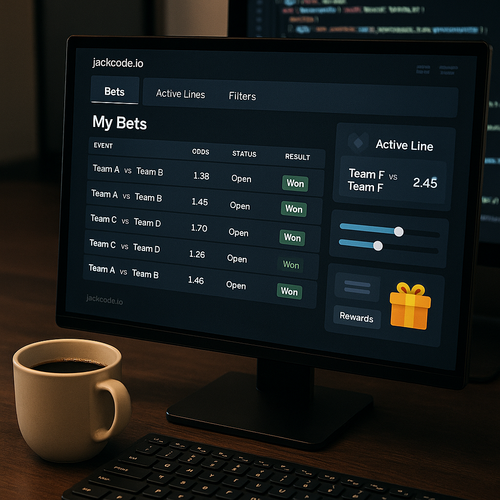
Despite extensive automation using feeds and algorithms, manual control of the line and markets remains an indispensable tool in betting. It is traders with analytical thinking and knowledge of sports who can quickly respond to non-standard events, adjust odds, turn off risky markets and create unique markets - something that is not provided for in standard APIs.
What Manual Control Involves
| Opportunities | Purpose and application |
|---|---|
| Editing coefficients | Fine-tuning caps in prematch and live |
| Add your own marketplaces | Unique outcomes: "will score in the first 15 minutes," "total corners> 11. 5" |
| Freezing individual markets | Temporary suspension of bets on risky outcomes |
| Publishing/hiding matches | Control over what the player sees in the line |
| Timeline update of markets | Gradual opening: first outcome, then totals, odds, etc. |
| Setting limits and prohibitions | Set up minimum/maximum bid manually |
Use in the platform
Admin panel with visual editor of events and coefficients
Rights demarcation (only traders can change odds)
History of all changes by matches, time and users
Instant update on the client side via WebSocket
Saving market templates for different sports
When manual intervention is needed
Errors or delays in automatic feeders
Non-type events: show matches, regional tournaments, e-sports
Promotions: Stock Markets, Increased Odds
Suspicious activity in an individual market (fraud risk)
Operational schedule changes, match postponements, suspensions
Advantages of manual control
Flexibility in any situation
Risk control and vulnerability remediation
Creation of unique content and markets for promotional events
Ability to "get ahead" of competitors in live work
Increase platform trust through accuracy and reactivity
Manual line control is a fine-tuning tool. Where automation is limited, a person gives an advantage. A platform that combines the power of algorithms with the flexibility of a trader is able to work stably and efficiently even in non-standard scenarios.